I look for the lives behind the dates: the people in the room, the soldier on the ridge, and the family left to remember.
इतिहासThe author · Student · Indian
Meet Arnav.
I write toward the moment an ordinary life touches something larger: a nation changing, a team carrying a flag, a city divided, a dream interrupted, a memory returning. I’m a student in India, still learning how to listen for the people inside those moments.
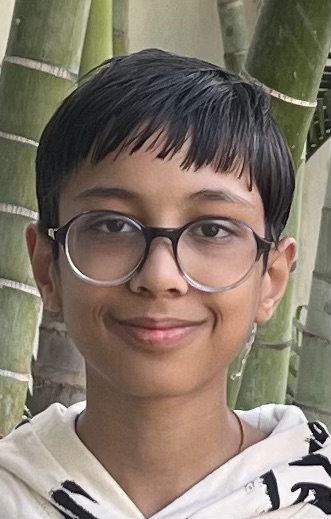
FIELD NOTE 01India · The writer’s desk
Arnav Agrawal
Stories from
the place where
life changes.
Indian · The Emerald Heights International School
I’m Arnav Agrawal, an Indian student and author. Most days, I move between lessons, homework, friends and a notebook that always seems to have one more page in it. I did not begin with a grand plan to write five books. I began with ideas I could not leave alone—and the feeling that a story could make a question stay with me longer.
History and Social Studies pull me in because a date is only the surface. I want to imagine the room where a decision was made, the person who had to live with it, and the family that remembered it later. I once missed a perfect score in my annual exam by two marks—my very own “nerd heartbreak”—but the questions behind those marks have never stopped following me.
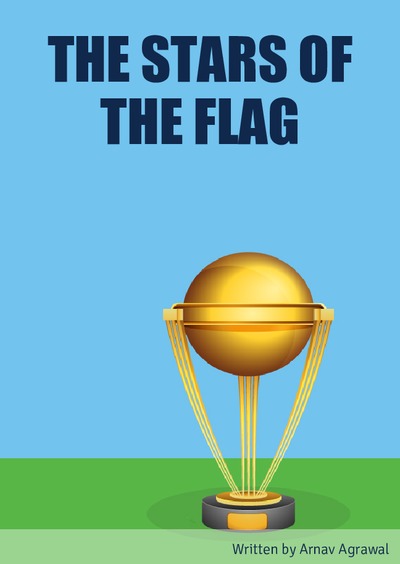
That curiosity became five very different books. The Empire asks what a family inherits from a country’s struggle. The Stars of the Flag follows a team discovering what remains after a final is lost. Espionage places two operatives inside decisions with global consequences. Chenyasha turns an interrupted Olympic dream toward a duty to protect others. LIFE returns to a student’s old pages and the person he is still becoming. The settings change; I keep following people at the instant their lives ask them to choose.
Being Indian is part of the way I look at history, memory, courage and belonging. Patriotism means most to me when it makes room for real lives: pride alongside sacrifice, conviction alongside doubt, and the ordinary people behind a headline. I want to write with affection for my country and enough honesty to ask difficult questions about what its history asks of people.
Cinema taught me to think in feeling as much as plot. I love the weight and conviction of films like Sam Bahadur, Article 370 and Waking of a NationGolmaal films. (The last one is, in my view, far too serious.) A cut, a pause or a well-timed laugh can change how a whole story lands.
Outside books and films, I play table tennis with my schoolmates. A close rally clears my head: watch, react, return, begin again. It is a small rhythm, but it has taught me something useful about writing too—sometimes the next move matters more than having the whole game figured out.
A character can begin as a name in the margin and become someone I worry about when I close the notebook. Finishing a book feels a little like saying goodbye; sharing it lets the conversation continue with readers I have never met. If any of these stories leaves you carrying a question, a memory or a person with you, then the page has travelled farther than I could take it alone.
05BOOKS PUBLISHED
WHILE A STUDENT
∞STORIES STILL
TO BE TOLD
THE STORY BENEATH THE STORIESWhat do we carry
What do we carry
when life turns?
The settings are different because I want to follow the question into different corners of life. What changes when a person is asked to carry a family’s past, a team’s hopes, a dangerous secret, a broken dream or the memory of who they used to be?
FROM THE NOTEBOOK TO THE SHELFFive books.
Five books.
One thread of feeling.
Across these books, I keep returning to one question: when the world changes around you, what do you choose to carry forward?
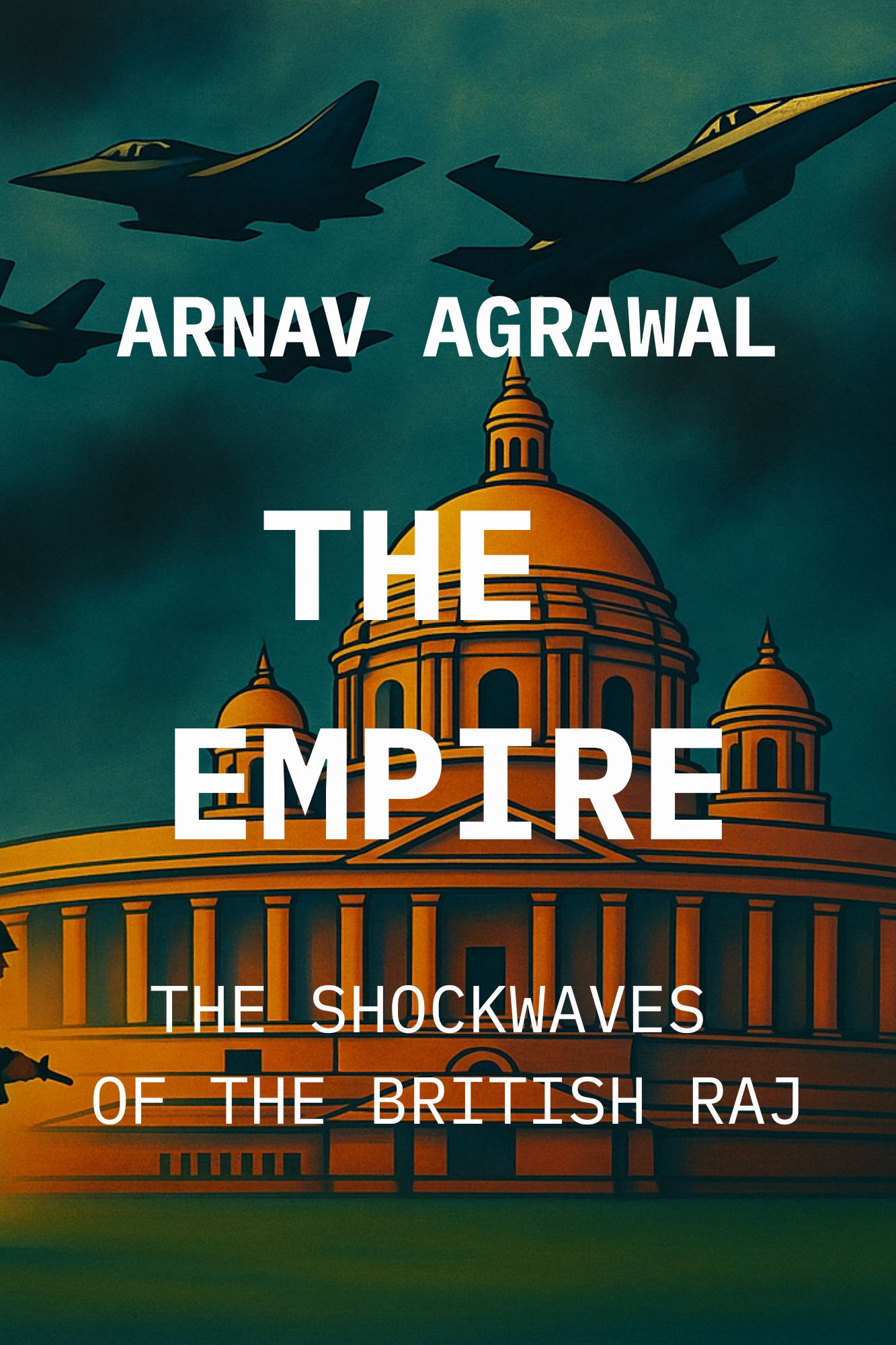 01 / 05
 02 / 05
 03 / 05
 04 / 05
 05 / 05